






















1. Überblick: Nutzerzahlen & Prognosen bis 2025
-
Laut Statista stieg die Zahl der E-Scooter-Nutzer in Deutschland von 4,4 Mio. im Jahr 2019 auf 9,9 Mio. im Jahr 2022, und wird für 2025 mit etwa 12 Mio. Menschen prognostiziert .
-
Die zunehmende Verbreitung zeigt: Der E-Scooter ist im urbanen Mobilitätsmix fest etabliert .
Prognosen im Überblick:
| Jahr | Nutzerzahlen (geschätzt) |
|---|---|
| 2019 | 4,4 Mio. |
| 2022 | 9,9 Mio. |
| 2025 | ~12 Mio. |
2. Wachstumstreiber: Sharing vs. Privat
-
Der Markt ist klar zweigeteilt: Rund 55 % der Nutzer mieten, 45 % besitzen ihren E-Scooter privat .
-
2022 waren etwa 764.000 E-Scooter versichert, davon rund 193.000 Leihroller – entsprechend 75 % privat, 25 % Sharing .
-
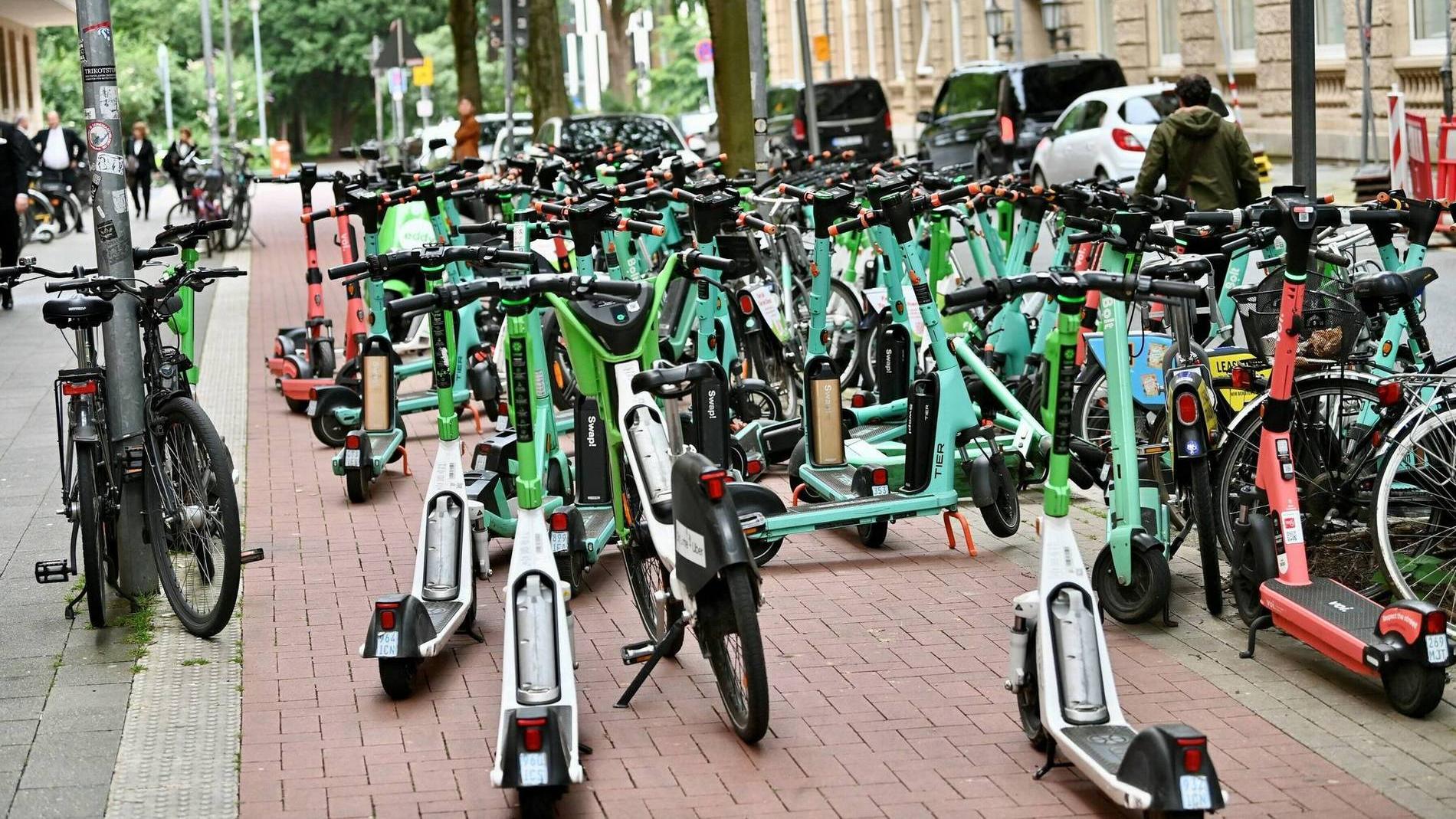
Besonders in Städten wie Berlin ist das Wachstum der Leihflotten stark: von 11.091 (2019) auf 40.900 Leih-Scooter (2022) .
3. Umsatz & Penetration im Sharing-Markt
-
Der Umsatz im E-Scooter-Sharing-Markt in Deutschland liegt 2025 bei geschätzten US$ 210 Mio. (~190–210 Mio. USD je nach Quelle).
-
Die Penetrationsrate – also der Anteil der Bevölkerung, der das Sharing nutzt – liegt bei 13,6 % in 2025.
4. Nutzungsmotive & Mobilitätsverhalten
-
Laut ADAC-Studie nutzen 15 % der Bevölkerung ab 16 Jahren E-Scooter. Hauptmotive sind:
-
Fahrspaß (14 %)
-
Alternative zum Gehen (12 %)
-
Schnelleres Vorankommen (8 %)
-
Alternative zum Auto (6 %) .
-
-
Weitere Erkenntnis: 36 % der Nutzer gaben an, ihren Autogebrauch durch Shared-Mobility-Angebote reduziert oder vollständig ersetzt zu haben.
5. Deutschlands Micromobility im Überblick
-
ADAC/PDS Befragung zufolge nutzen 15 % der Bevölkerung E-Scooter, davon:
-
45 % privat
-
55 % Sharing .
-
-
Nutzungsverteilung: Nur 11 % sind Vielnutzer (100+ Tage/Jahr), während 39 % selten (1–10 Tage/Jahr) unterwegs sind.
6. Ausblick & Bedeutung für 2025+
-
Die Nutzerzahlen steigen zwar, aber das Wachstum verlangsamt sich .
-
Gleichzeitig steigen Marktumsatz und Penetration, während Shared-Mobility zunehmend den städtischen Mobilitätsmix ergänzt.
-
Shared-Mobility-Angebote – wie E-Scooter – sind für viele Nutzer eine echte Alternative zum Auto, gerade im urbanen Raum .
Fazit: Was bedeuten die Zahlen für dein Marketing?
-
Zielgruppe definieren: Shared-Nutzer vs. Privatnutzer – Inhalte und Ads auf diese Segmente zuschneiden.
-
Content-Ideen: Blog-Posts zu „Wann lohnt sich ein eigener Scooter?“, Fallstudien mit realer Nutzung (z. B. Vielnutzer vs. Wenignutzer).
-
Kampagnenfokus: Mobilitätswandel, Klimavorteil, Spaßfaktor – kombiniert mit konkreten Nutzungsdaten (12 Mio. Nutzer, 13,6 % Penetration).
-
Regionale Segmente: Großstädte mit hoher Shared-Nutzung vs. ländlicher Raum – Informationsbedarf unterschiedlich.