
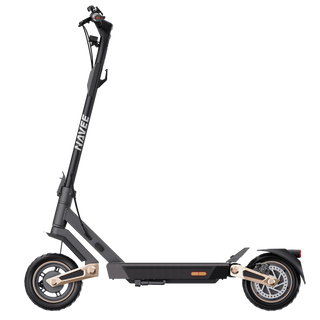
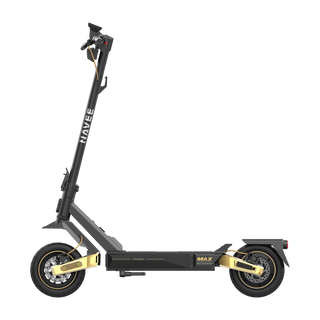
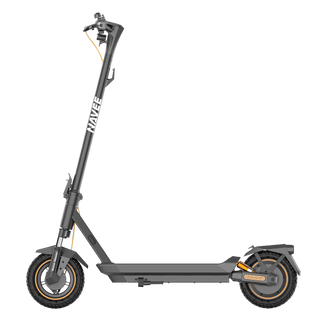
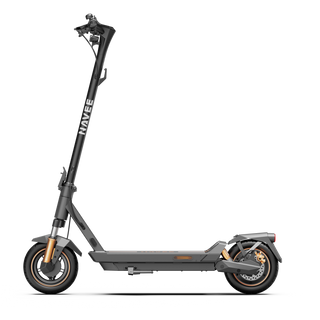
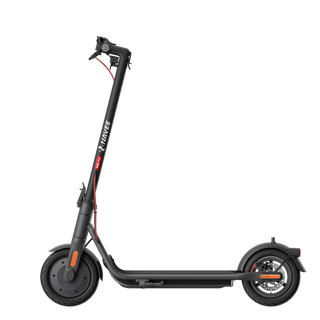
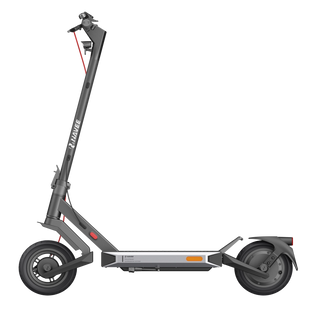

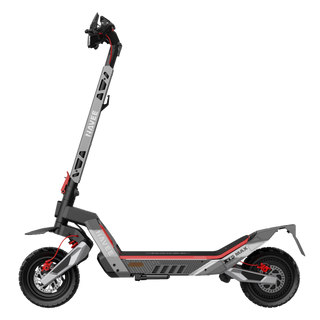
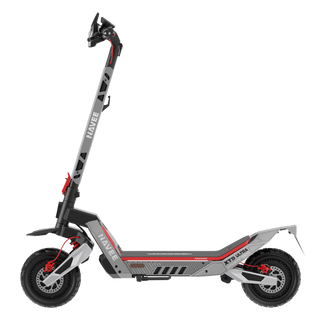
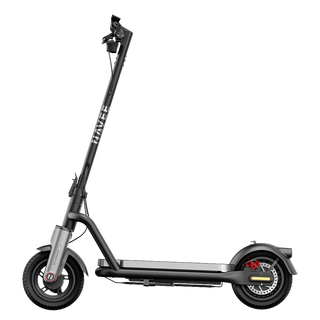

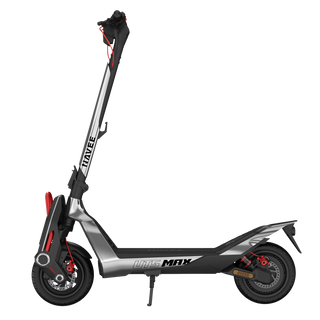

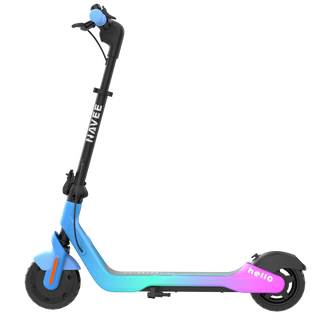
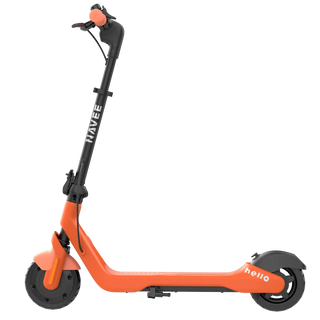
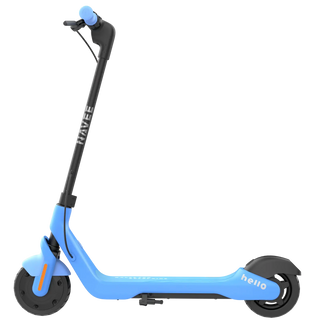

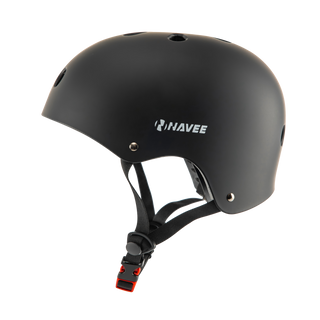
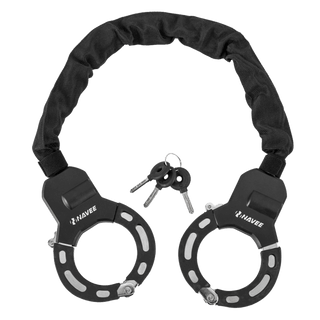
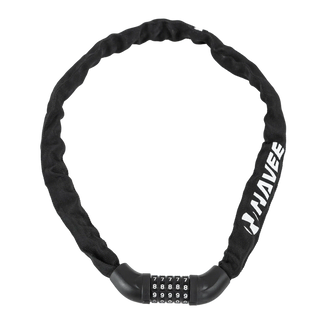



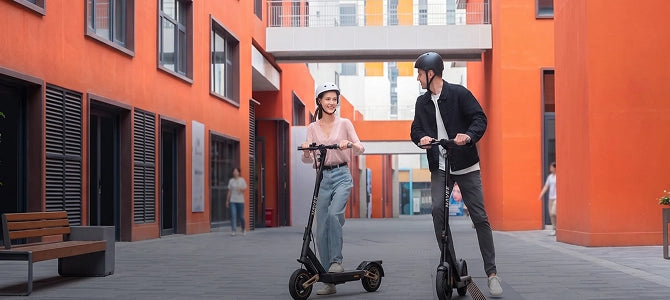





IFA 2025 in Berlin once again demonstrates that mobility and technology are increasingly converging. In addition to classic electronics innovations, e-scooters are in the spotlight this year. They are no longer just considered leisure vehicles, but an integral part of urban traffic. Manufacturers, sharing providers, and cities will present their visions for the future of urban mobility at the fair.
New Innovations at IFA 2025
- Connected features: GPS tracking, app connectivity, and AI-powered systems for analyzing riding behavior.
- Focus on safety: Turn signals, improved brakes, and modern lighting solutions.
- Range and comfort: Larger batteries, energy recovery, and new suspension technologies.
- Sharing services: Providers such as Tier, Lime, and Bolt with concepts for geofencing and fixed parking stations.
- Sustainability: Use of recyclable materials, modular batteries, and durable components.
Market Volume and Growth in Germany
The e-scooter market in Germany is growing steadily. While the first few years were characterized by pilot projects and discussions about regulations, the market has now stabilized. Forecasts indicate that the sharing market volume will exceed the 230 million USD mark by 2030.

| Year | Market Volume (Mio. USD) | Development |
|---|---|---|
| 2022 | 170 | Consolidation phase |
| 2023 | 180 | IoT and App integration |
| 2024 | 185 | First stricter parking rules |
| 2025 | 191 | New impulses from IFA |
| 2026 | 198 | Expansion of parking areas |
| 2027 | 205 | Integration into public transport networks |
| 2028 | 214 | Smart fleet control |
| 2029 | 222 | Broader everyday acceptance |
| 2030 | 231 | Stable demand, market maturity |
Urban Differences in Germany
Berlin: Capital and pioneer in sharing, particularly prevalent in central districts.
Munich: Strict regulations with parking hubs, high attractiveness for commuters.
Hamburg: Clear zones for bike and scooter use, good combination with train and bus.
Cologne: Sharing zones are specifically tailored to city districts, events boost demand.
Outlook: E-Scooters as the Future of Mobility
IFA 2025 clearly shows: E-scooters are developing into a real alternative to cars in urban traffic. They save space, reduce emissions, and can be flexibly combined with other modes of transport. With the further development of battery technology, integration into smart city concepts, and increasing acceptance, the role of e-scooters is expected to grow further in the coming years.
FAQ: E-Scooters & IFA 2025
Will new e-scooters be presented at IFA 2025?
Yes, several manufacturers will showcase models with new safety features, improved range, and smart connectivity.
What trends are in focus?
Sustainability, smart functions like GPS and app connectivity, and sharing concepts with fixed parking zones are particularly relevant.
How is the market developing in Germany?
The market is growing continuously and could reach a volume of over 230 million USD by 2030.
Which cities are considered pioneers?
Berlin, Munich, Hamburg, and Cologne are setting standards for e-scooter usage with their own regulations and pilot projects.