







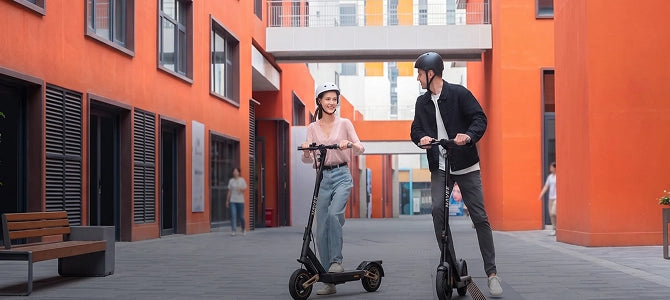




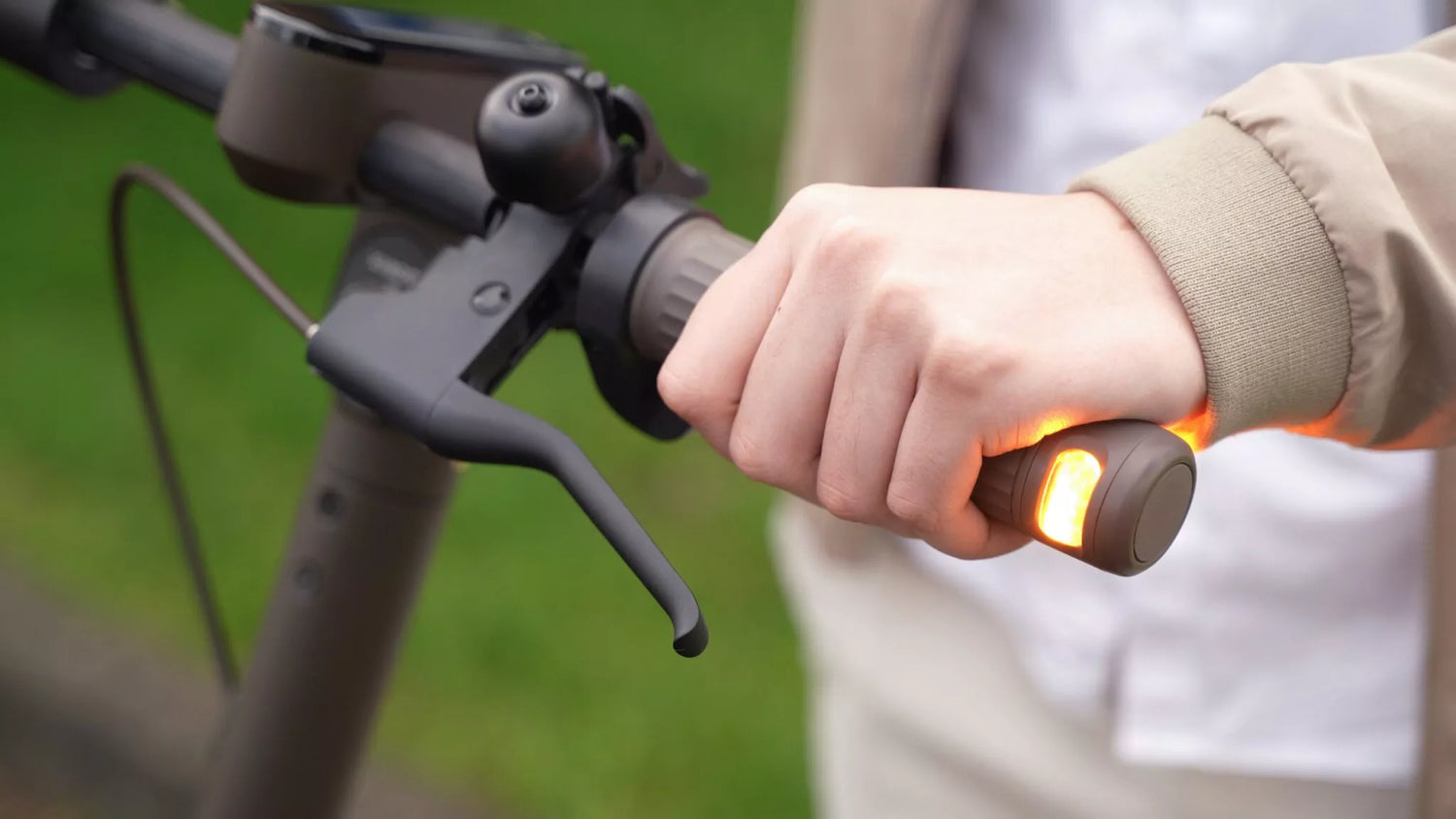
The German federal government is planning an important change: from 2027 onwards, new e-scooters will be required to be equipped with turn signals.
This regulation is part of a reform package for the Electric Small Vehicle Ordinance (eKFV) and aims to increase road safety.
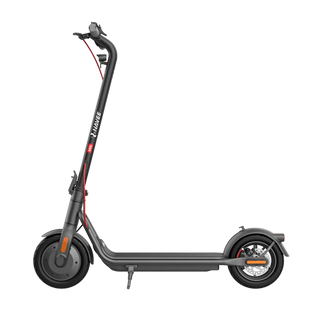
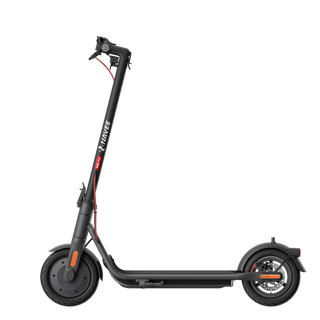
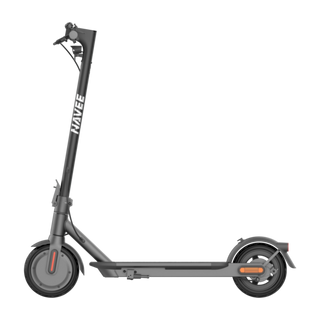
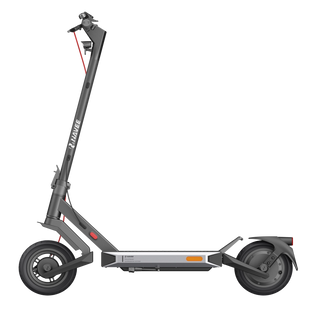
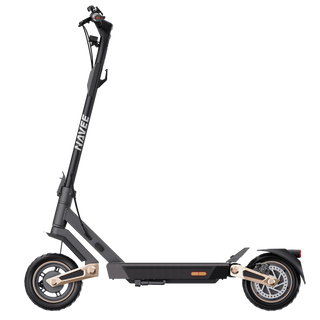
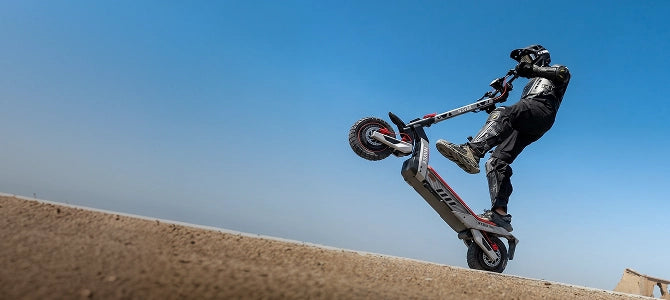
In this article, you will learn exactly what is planned, what impact the mandate will have, and how models like the NAVEE ST3 Pro are prepared for it.
Background and Legal Framework

-
The Federal Cabinet has decided that new e-scooters must be equipped with turn signals from 2027.
-
Currently, riders must signal turns with hand signals – which is considered unsafe, especially in the dark or rain.
-
Cities and municipalities will have more authority to set rules for parking and using rental scooters in the future.
-
Fines will be adjusted: violations such as riding on sidewalks or carrying a second person will be more strictly penalized in the future.
What does the turn signal requirement mean exactly?
From 2027, all newly registered e-scooters must be equipped with front and rear turn signals.
For already registered models, grandfathering is expected – meaning they do not necessarily have to be retrofitted.
Advantages and Challenges
| Advantages | Challenges |
|---|---|
| Increased visibility when turning, especially in the dark or rain | Higher production costs for manufacturers |
| More safety for pedestrians and other road users | Slightly increased weight and power consumption |
| Less uncertainty with hand signals | Technical inspections and approval procedures become more complex |
Example: NAVEE ST3 Pro – already prepared for the future
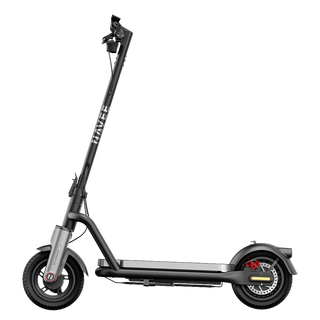
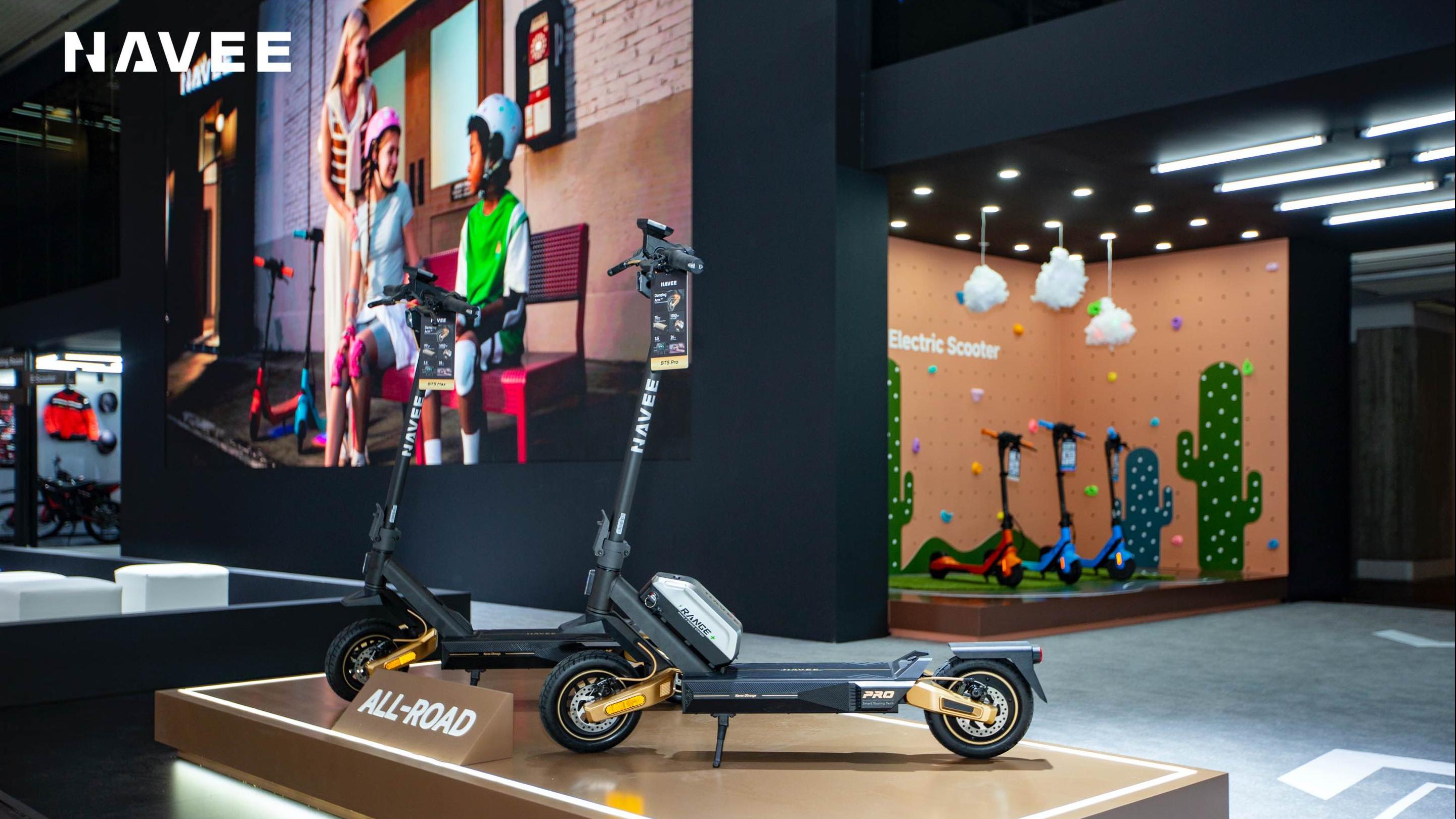
The NAVEE ST3 Pro is one of the best-equipped e-scooters in its class and already offers features that comply with the new turn signal requirement:
-
Electronically controlled turn signals (already integrated or retrofittable depending on the model)
-
Powerful front and rear lighting for maximum visibility
-
Dual braking system (drum and disc brake + EABS) for more safety
-
Good updateability – potential for retrofitting for new requirements
How riders and buyers can prepare

-
When buying a new e-scooter, check if turn signals are integrated or can be retrofitted.
-
Pay attention to existing approval certificates and safety standards.
-
Increase visibility in traffic with reflectors and bright clothing.
-
Consider optional retrofit turn signals for older models.
-
Observe local city regulations – some municipalities are already tightening the rules.
Regional Differences and Implementation
-
In large cities like Berlin, Munich, and Hamburg, monitoring of the new regulations will likely begin sooner.
-
Smaller cities might grant longer transition periods.
-
Sharing scooter providers must convert or retrofit their fleets by 2027 at the latest.
FAQ
When does the turn signal requirement apply?
Likely from early 2027 for all newly registered e-scooters.
Do older models need to be retrofitted?
Probably not. Grandfathering is expected; retrofitting is optional.
What happens in an accident without turn signals?
Once the requirement applies, riding without turn signals can be considered an administrative offense and lead to liability issues.
How expensive will e-scooters with turn signals be?
Prices are likely to increase slightly, as new technology and testing processes will need to be integrated.
Conclusion
The turn signal requirement from 2027 is a significant step towards greater safety and clarity in road traffic.
For riders, this means more protection and better visibility; for manufacturers, a new technical challenge.
Models like the NAVEE ST3 Pro already demonstrate how safety, comfort, and future-proofing can be combined.



Leave a comment
All comments are moderated before being published.
This site is protected by hCaptcha and the hCaptcha Privacy Policy and Terms of Service apply.