









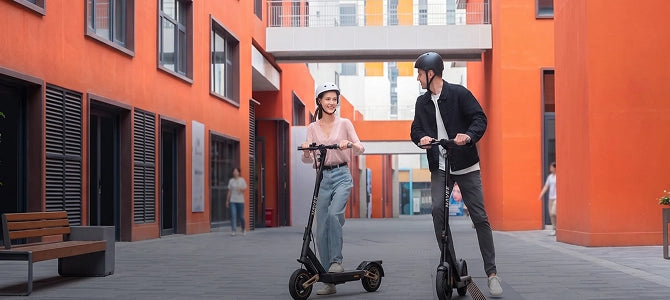




E-scooters have long been an integral part of urban traffic in Germany. However, while higher speeds are permitted in many European countries, a clear limit of 20 km/h applies here. Why is this the case, and what does it mean for users and manufacturers?
Legal Basis for Maximum Speed
- Maximum 20 km/h
- Minimum age 14 years
- Compulsory insurance
- Use on cycle paths (or road, if no cycle paths available)
International Speed Limits in Comparison
| Country | Max. Speed E-Scooter | Special Features |
|---|---|---|
| Germany | 20 km/h | Uniform limit, geofencing in cities |
| France | 25 km/h (often 20 km/h in urban areas) | Zones with 10 km/h limit |
| Spain | 25 km/h | Communal differences |
| Norway | 20 km/h | Strict police controls |
| Italy | 20 km/h in urban areas, 25 km/h outside urban areas | Adjustments depending on the city |
Impact on Users and Sharing Providers
Private Users: Models must be software-limited to 20 km/h.
Sharing Services: Providers such as Tier or Lime use GPS throttling to 10–15 km/h in sensitive zones.
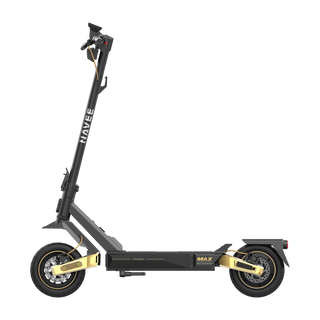
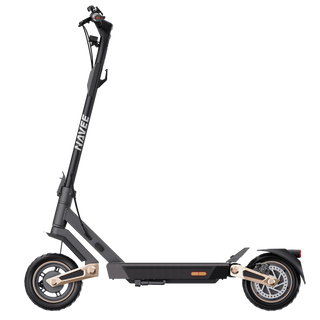
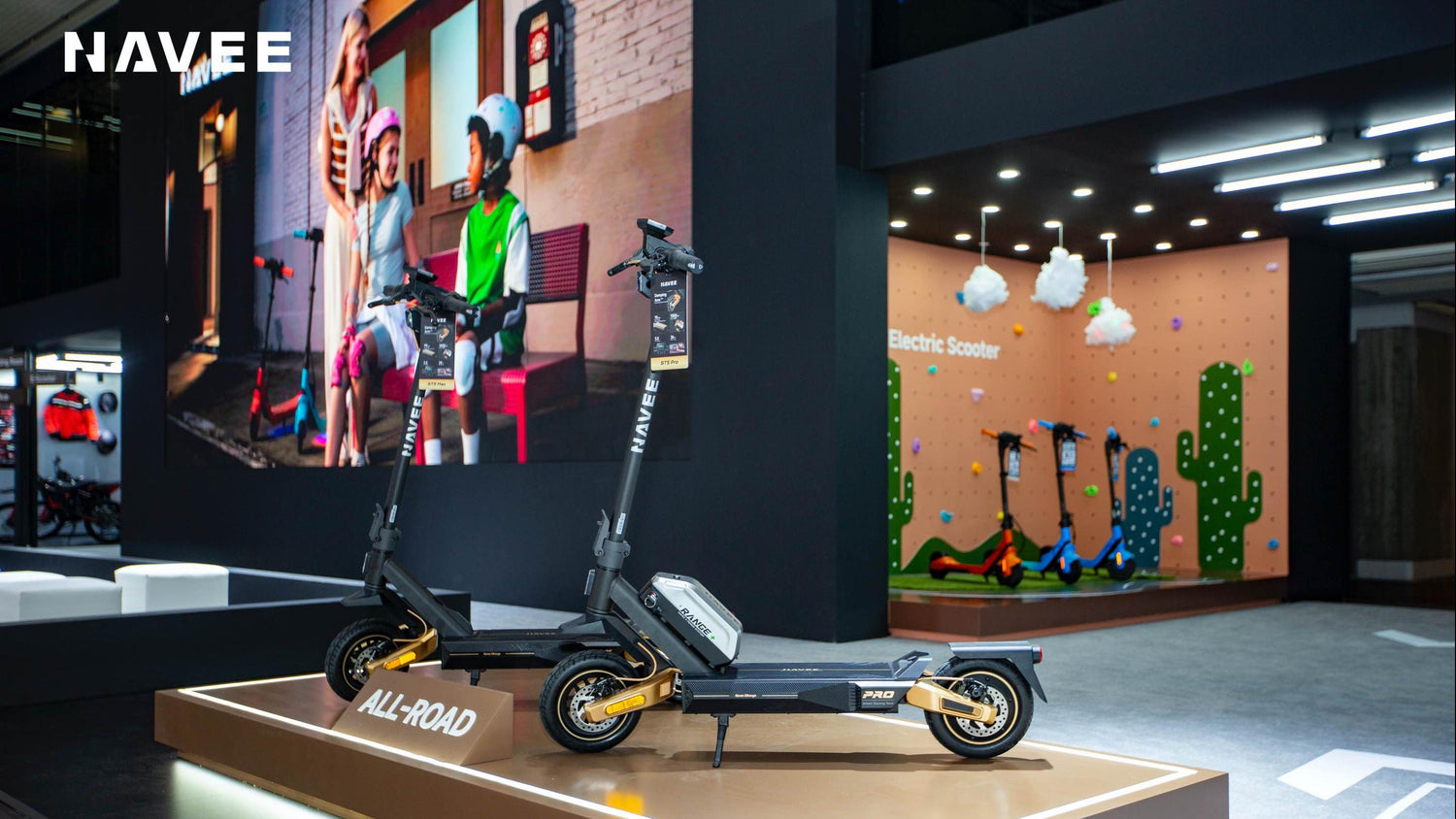
Product Example: NAVEE ST3 Pro
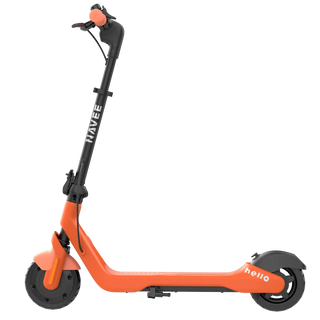
An example of a modern model approved in Germany is the NAVEE ST3 Pro. Although technically capable of up to 40 km/h, the vehicle in the German version is legally limited to 20 km/h.
- Safety & Comfort: Dual suspension (Damping Arm™), puncture-proof 10-inch tires
- Performance: 450 W nominal power (1350 W peak power), handles inclines up to 28%
- Range: Up to 65–75 km with 596 Wh battery
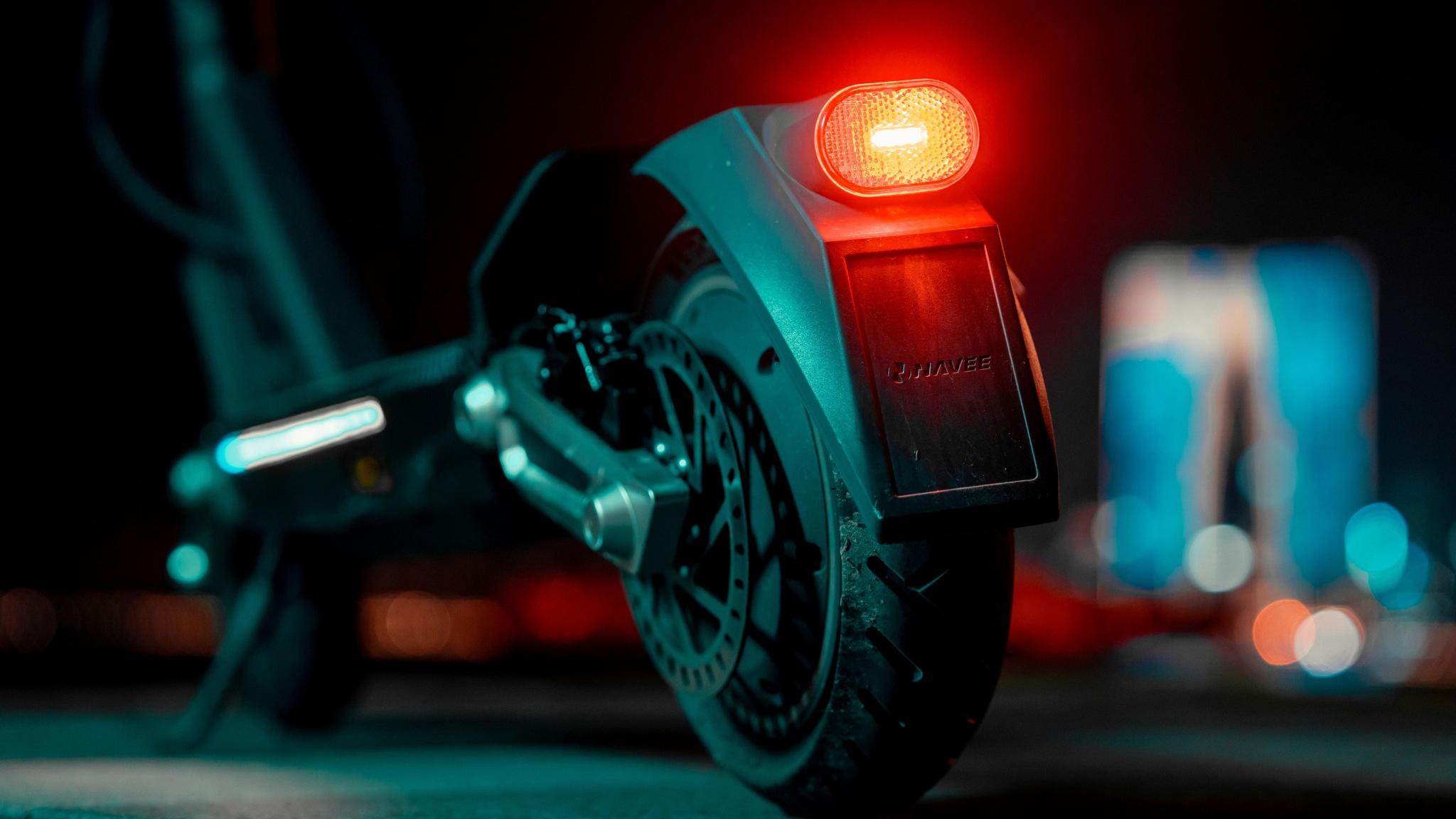
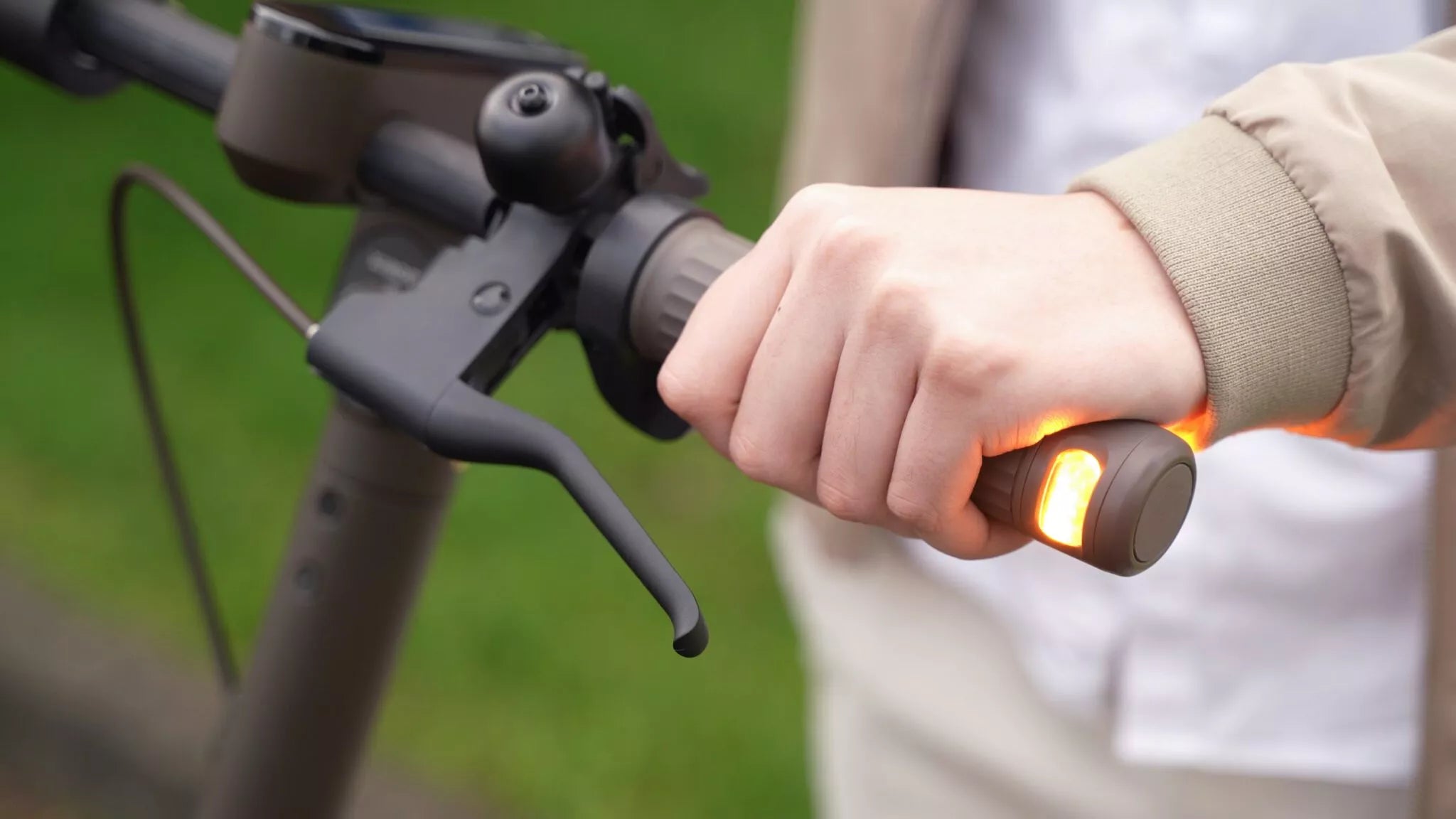
- Brakes & Lights: Drum and disc brake + E-ABS, as well as front light, rear light and indicators
- Conformity: Software-limited to 20 km/h for German roads
Regional Differences in Practice
- Berlin: Geofencing in tourist zones (10 km/h)
- Munich: Strict police controls
- Hamburg: Limitations in areas with high pedestrian frequency
Outlook for the Future
While safety continues to be the top priority, technical advances (e.g., better braking systems, integrated indicators) could, in the long term, enable a discussion about differentiated speed limits.
FAQ
Does the 20 km/h rule apply to all models?
Yes, both private and shared e-scooters are affected.
Can the throttling be removed?
No, this is illegal and leads to the loss of insurance coverage.
Why is the NAVEE ST3 Pro limited to 20 km/h, even though it could go faster?
Because German legislation requires this – for safety and uniformity.
Conclusion
The 20 km/h rule is a central component of German e-scooter regulation. It protects both riders and pedestrians – and shows that modern products like the ST3 Pro optimally combine safety and performance.



1 comment
Jürg D
Mein gekaufter Scooter läuft 20kmh, die gemieteten laufen 22kmh, wo ist da die Gerechtigkeit?(Schweiz)
Leave a comment
All comments are moderated before being published.
This site is protected by hCaptcha and the hCaptcha Privacy Policy and Terms of Service apply.