

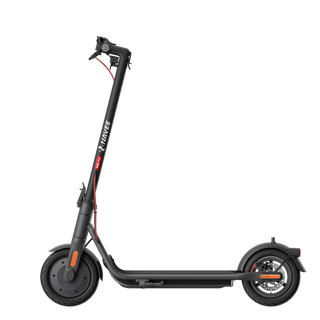
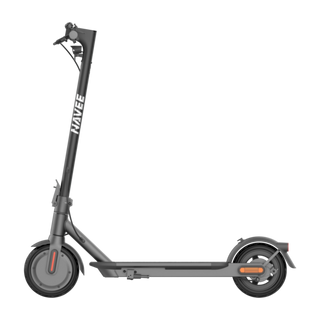
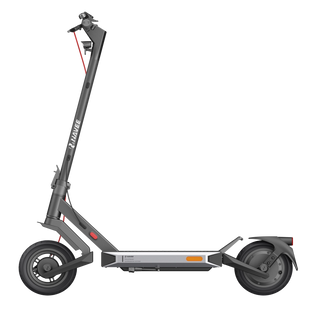
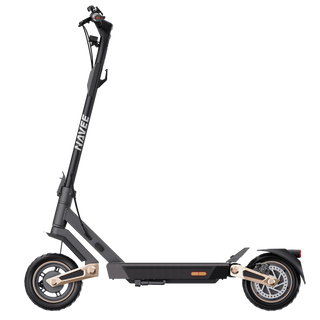

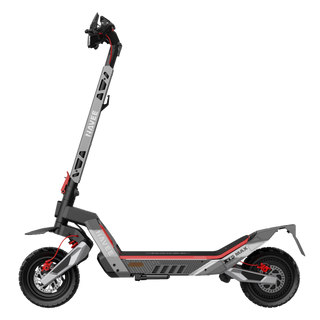
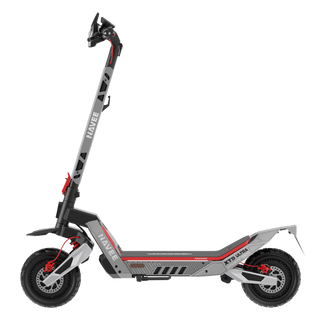
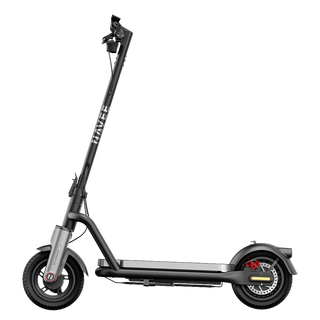

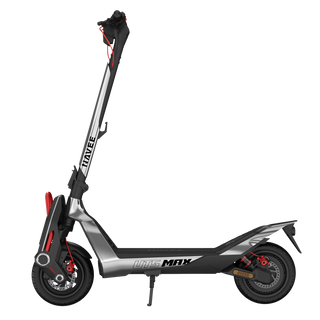

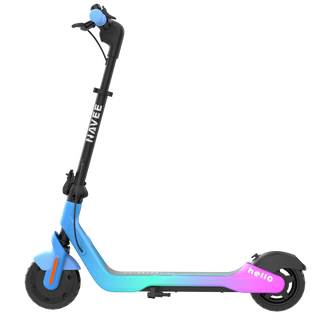
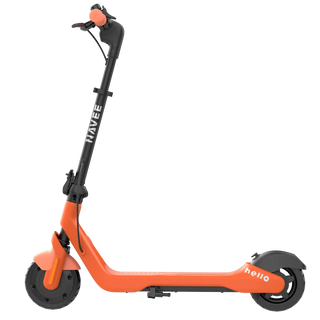
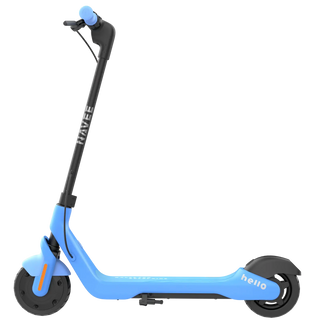

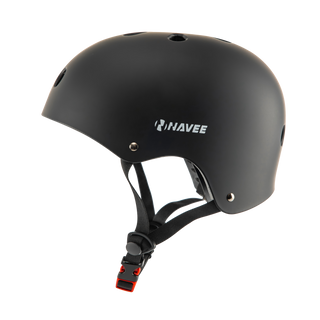



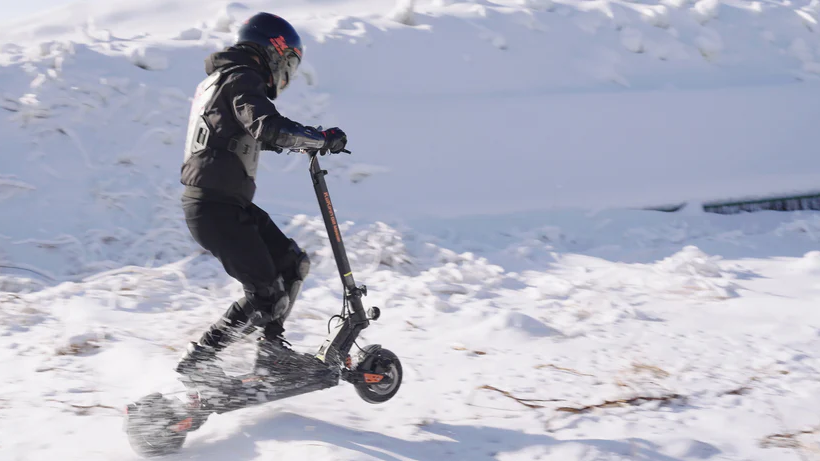
As temperatures drop, many e-scooter riders wonder if they can still use their vehicle in the cold season. The short answer: Yes, but with caution. Riding e-scooters in winter can be safe, practical, and even enjoyable – provided you understand the risks, make some preparations, and choose the right model.
Legal Framework in Germany
Riding an e-scooter in Germany is generally permitted all year round, as long as the technical requirements of the Electric Small Vehicles Ordinance (eKFV) are met. This means:
- Valid ABE approval
- Front and rear lights present
- One brake per wheel
- Maximum speed of 20 km/h
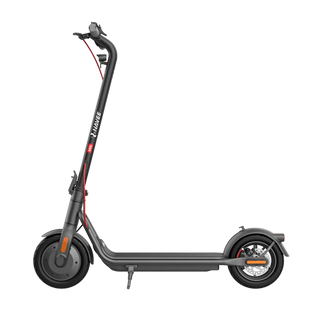
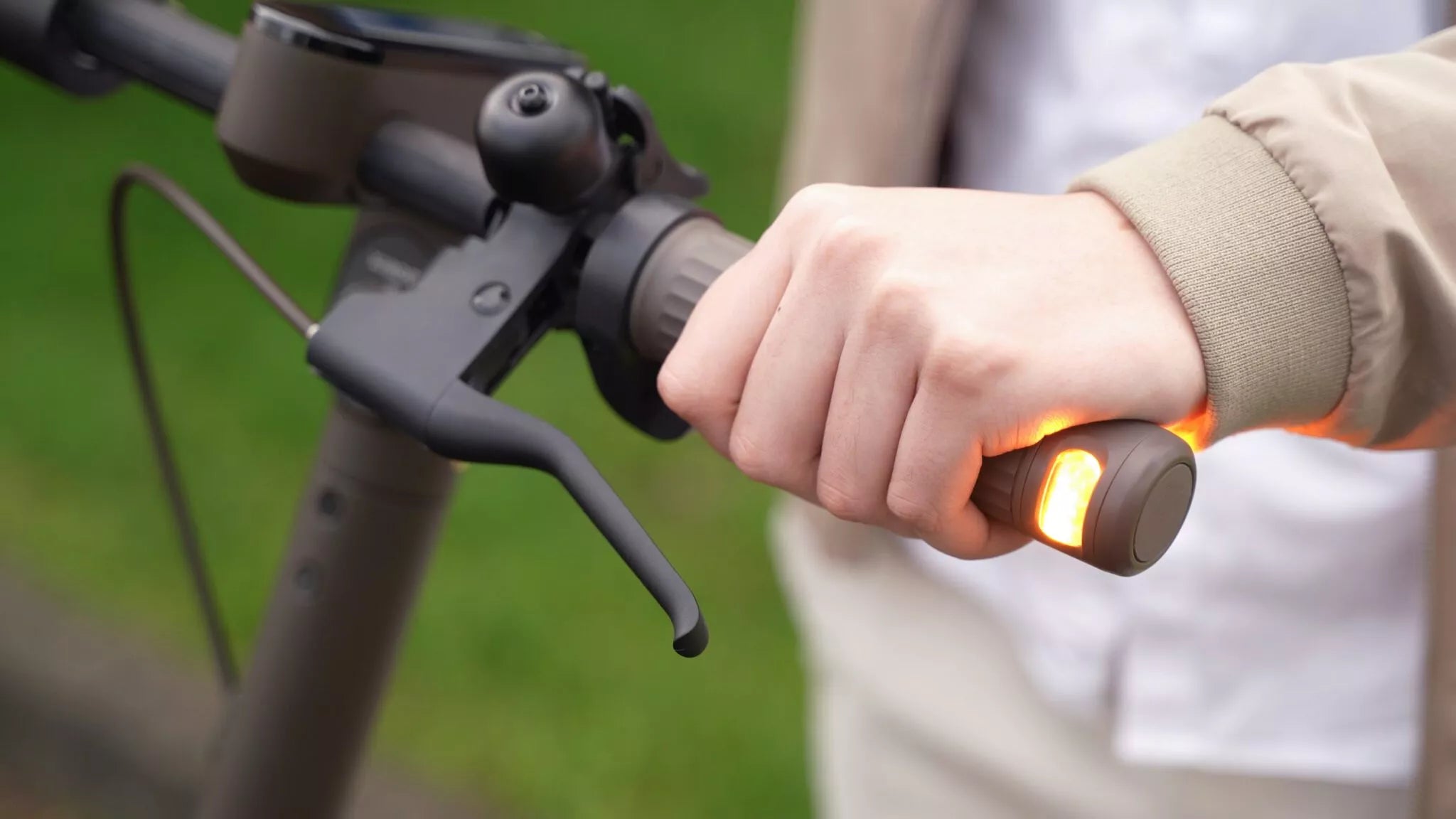
Especially in winter, authorities increasingly check lighting, as poor visibility is one of the most common accident factors. A scooter with integrated turn signals – like the NAVEE ST3 Pro – clearly has an advantage here.
Challenges of Winter Riding
| Challenge | Impact | Recommendation |
|---|---|---|
| Low temperatures | Reduced battery performance | Store scooter in a warm place, do not fully discharge battery |
| Moisture and snow | Risk of slipping, corrosion | Choose IP-protected models, clean scooter regularly |
| Road salt | Corrosion risk | Wipe off after every ride |
| Darkness | Increased accident risk | Use good lighting and reflective clothing |
Technical Aspects: What to Look for in Winter
IP Protection Class
A model with at least IPX5 certification reliably protects against splash water and slush. The NAVEE ST3 Pro meets exactly this standard, making it ideal for wet conditions.
Tires and Suspension
10-inch tires with a tubeless design offer more stability on slippery roads. The Damping Arm™ suspension front and rear reduces shocks and ensures secure grip on frozen asphalt.
Lighting and Visibility
In winter, the rule is: see and be seen. The ST3 Pro features bright front and rear lights, integrated turn signals, and reflective elements – ideal for safe riding in the dark.
Brakes and Traction
Combined drum, disc, and EABS brakes provide controlled deceleration even on wet surfaces. The integrated TCS system (Traction Control) prevents the rear wheel from spinning – a rarity in this price range.
How Cold Affects Battery Performance
Lithium-ion batteries are sensitive to low temperatures. Range can decrease by up to 30% at -5°C. To prolong battery life:
- Charge the scooter at room temperature
- Do not let the battery fall below 20%
- Store the scooter in a dry place
- Fully charge before riding
The 48V / 12.75Ah battery of the NAVEE ST3 Pro remains stable even at -10°C thanks to optimized battery management.
Care and Maintenance in Winter
A well-maintained scooter lasts longer – especially when road salt is involved. Regular care should therefore become a routine:
- Clean frame with a damp cloth (no high-pressure cleaner)
- Lightly grease joints and brakes
- Regularly check tires and brake pads
- Wipe dry briefly after every ride
- Keep battery connections dry
Tips for Safe Winter Riding
With the right riding style, the scooter remains controllable even on winter roads:
- Drive slower in snow or frost
- Avoid abrupt movements when braking or steering
- Maintain more distance from cars and pedestrians
- Wear reflective clothing and bright gloves
- Gloves with grip for better control
- Plan shorter routes to reduce battery strain
NAVEE ST3 Pro – Built for Stability and Comfort
| Feature | Description |
|---|---|
| Motor power | 450 W rated power, up to 1350 W peak power |
| Climbing ability | Up to 28% – ideal for hilly winter routes |
| Battery range | 65–75 km, even at low temperatures |
| Suspension system | Damping Arm™ front & rear |
| IP protection class | IPX5 – Splash-proof |
| TCS system | Improves traction on slippery surfaces |
| Lighting | Front & rear light + integrated turn signals |
| Compatibility | Apple Find My & Proximity Unlock |
NAVEE ST3 Pro is one of the best all-season e-scooters under 700 Euros – robust, comfortable, and safe, even in winter.
Regional Differences in Germany
In cities like Berlin, Hamburg, or Munich, e-scooter traffic is increasingly accepted even in winter. Many municipalities regularly clear bike and scooter paths to ensure safety. In smaller towns, riders should pay attention to local black ice warnings and only ride on cleared roads.
E-Scooter as a Sustainable Winter Alternative
More and more commuters are relying on e-scooters even in winter – for ecological and practical reasons. While cars consume more energy in frost, the power consumption of scooters remains low. With a range of over 60 km, the NAVEE ST3 Pro effortlessly replaces short car journeys – quietly, emission-free, and cost-effectively.
Frequently Asked Questions (FAQ)
Can I ride my e-scooter in the snow?
Yes, as long as the ground is not icy and you ride carefully. Riding on black ice is prohibited.
How should I store my scooter in winter?
Dry, at temperatures above 10°C, and with a partially charged battery (40–60%).
Are winter tires necessary for e-scooters?
Not strictly necessary, but wide, puncture-proof tires offer better grip.
Does the cold affect charging time?
Yes, cold batteries charge slower. Only charge once the battery has reached room temperature.
Conclusion – Safely Through Winter with the Right Model
E-scooters and winter – that doesn't have to be a contradiction. With a robust, weather-resistant, and technically advanced model like the NAVEE ST3 Pro, you'll stay mobile even in the cold season.
The combination of IPX5 protection, TCS system, suspension, and powerful lighting makes it an ideal companion for commuters and leisure riders. Whether it's sleet or darkness – if you're prepared, you'll ride safely.
NAVEE ST3 Pro – the scooter that remains confident even in winter.


Leave a comment
All comments are moderated before being published.
This site is protected by hCaptcha and the hCaptcha Privacy Policy and Terms of Service apply.