







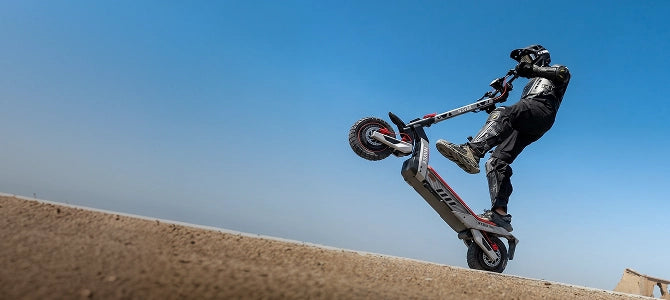


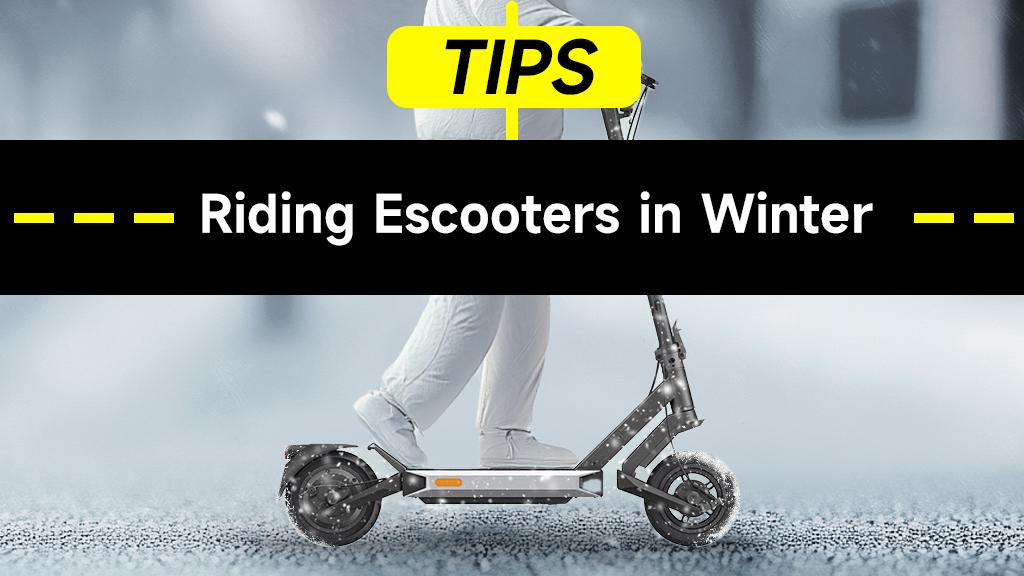
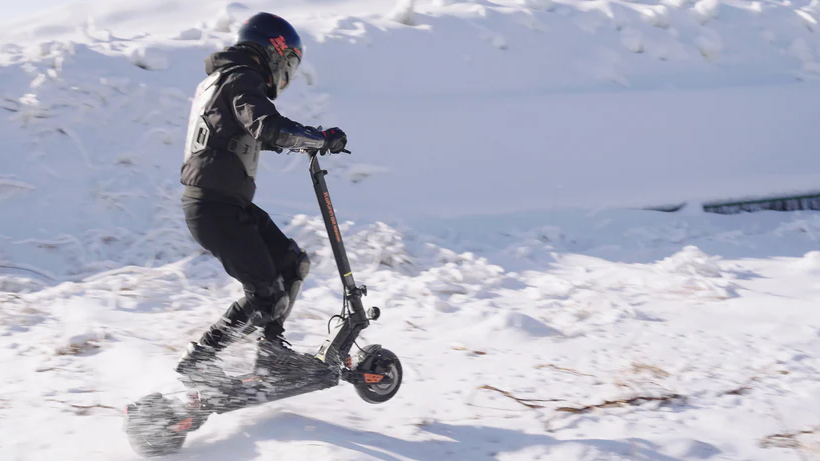
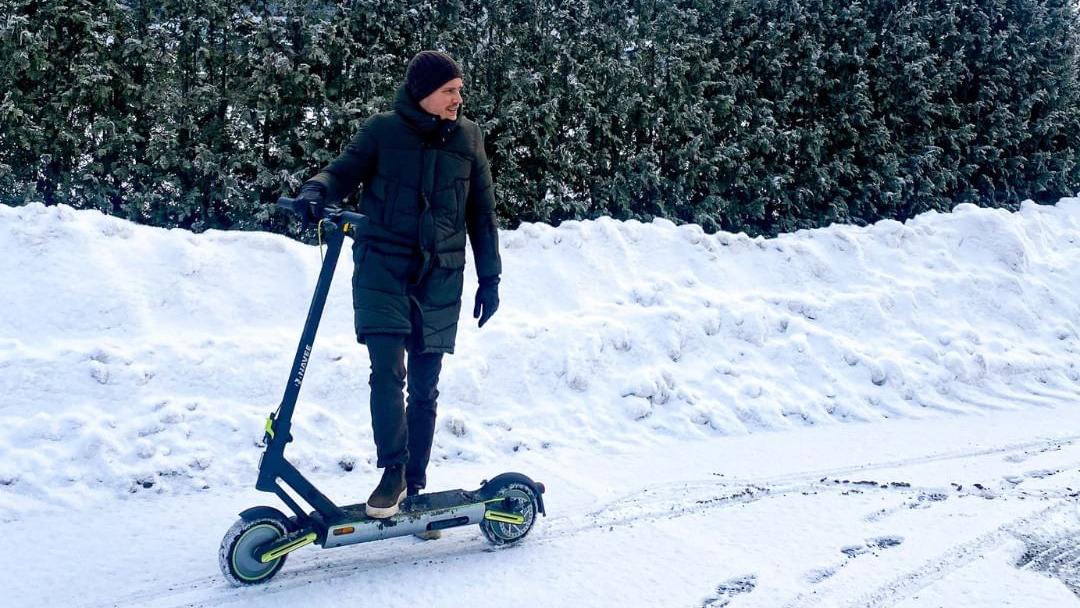
Winter presents particular challenges for e-scooter riders in Germany every year. Icy conditions, wetness, darkness, and technical limitations significantly increase the risk of accidents. This comprehensive guide explains why accidents are more common in winter, which situations are particularly dangerous, and how riders can navigate the cold season safely with the right equipment and an adapted riding style.
Why does the risk of accidents increase in winter?
In winter, several risk factors combine, which are particularly relevant in German road traffic:
- wet and icy cycle paths
- leaves & slush on side roads
- early darkness and poor visibility
- longer braking distances
- reduced battery performance
Visual Data Overview: Typical Accident Causes in Winter
The following graphic shows the most common accident factors according to German traffic trends:
Accident Causes (%) in Winter
│
│ 35% ██████████████ Icy roads (ice, frost)
│ 28% ███████████ Wetness / Leaves
│ 21% █████████ Poor visibility / Darkness
│ 10% ████ Incorrect braking
│ 6%  ██ Technical problems (battery, electronics)
└──────────────────────────────────────
The graphic clarifies: 85% of all winter accidents are directly attributable to weather conditions.
Typical Winter Accidents and Their Causes
1. Slipping in Curves
Particularly dangerous on:
- icy cycle paths
- damp cobblestones
- slush at intersections
2. Extended Braking Distances
Braking distance in winter (average values):
Braking distance at 20 km/h
─────────────────────────
Dry road:            4–5 m
Wet road:            7–9 m
Ice / Frost:        12–15 m
The risk of rear-end collisions and falls increases significantly.
3. Collisions in Darkness
In Germany, it gets dark early in winter. Many accidents happen between 4:00 PM and 8:00 PM because e-scooter riders are seen too late.

Winter-related technical problems
E-scooters are sensitive to cold. Typical effects:
- up to 40% less range
- sluggish brake systems
- hard tires → less grip
- suspension responds less effectively
Especially important: The battery should never be charged cold. At temperatures below 5°C, it permanently loses capacity.
Comparison Table: Summer vs. Winter Conditions for E-Scooters
| Category | Summer | Winter |
|---|---|---|
| Range | 100 % | 60–70 % |
| Braking Distance | short | +50–200 % longer |
| Visibility | good | poor (darkness, rain, fog) |
| Road Condition | mostly dry | Wet, snow, leaves, frost |
| Riding Comfort | stable | bumpier, harder tires |
Which e-scooters are suitable for winter?
Winter-suitable models should have the following characteristics:
- 10-inch tires (tubeless, puncture-proof)
- front + rear suspension
- strong lighting and integrated turn signals
- TCS traction control
- water protection from IPX5
- 48V battery for better cold reserves
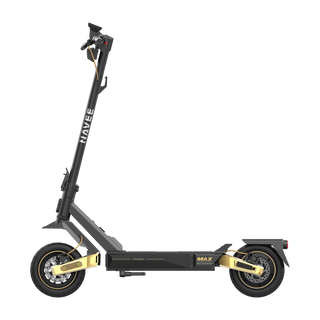
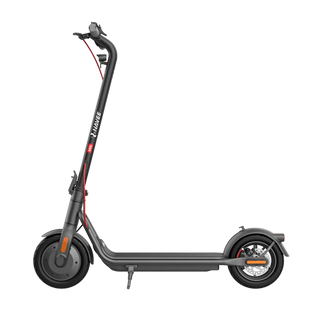
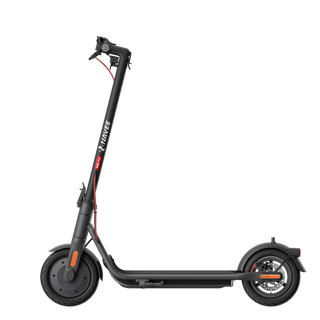
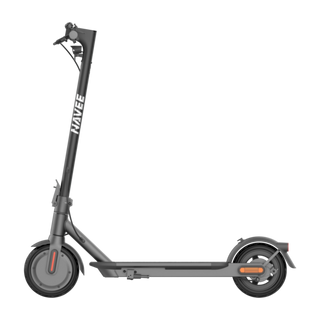
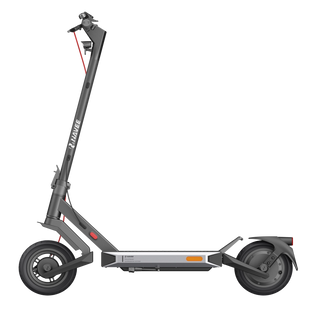
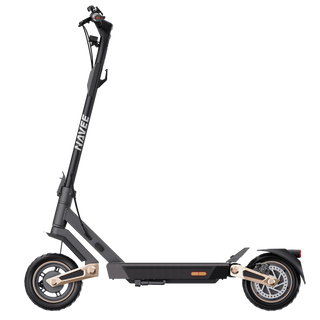
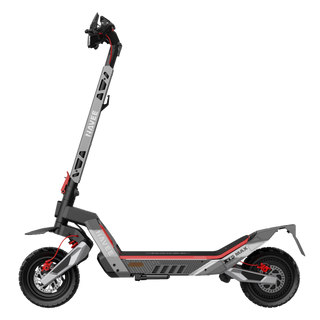
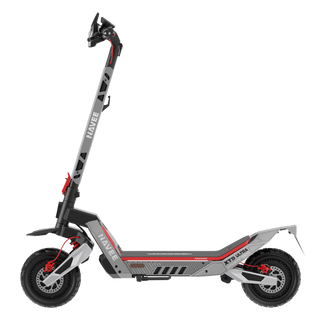
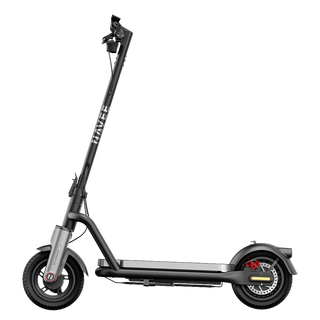
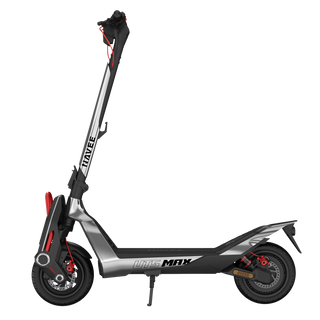
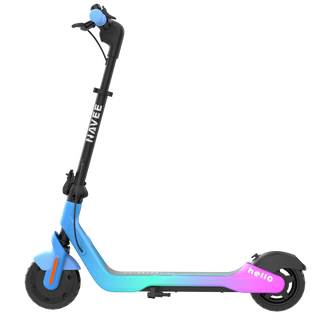
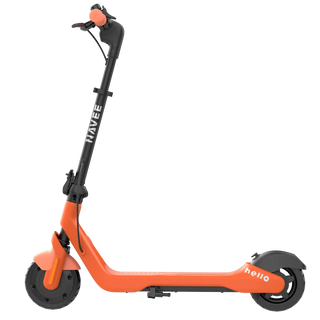
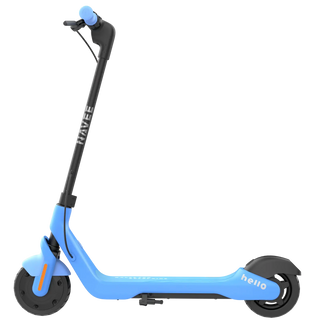
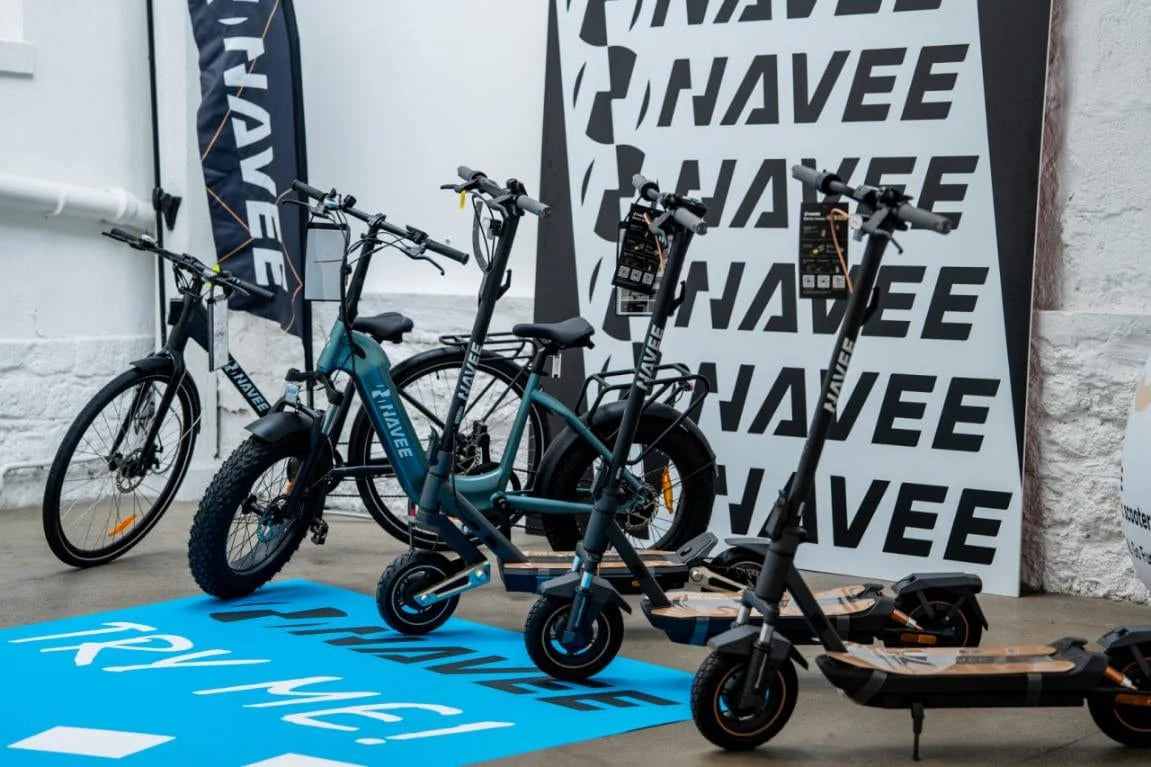
Modern city models like the NAVEE ST3 Pro meet many of these requirements. They offer strong lighting, high-quality tires, suspension systems, and traction control – ideal for slippery winter roads.
Winter Tips for Safe Riding
✓ Important Safety Tips
- Drive slower – maximum 15 km/h on wet roads.
- Approach curves wide and carefully.
- Brake predictively, no sudden stops.
- Wear bright clothing or reflectors.
- Store e-scooter warm and charge it warm.
- Regularly check tire tread.
- Do not ride on closed snow cover.
Recommended Winter Equipment
- Winter gloves
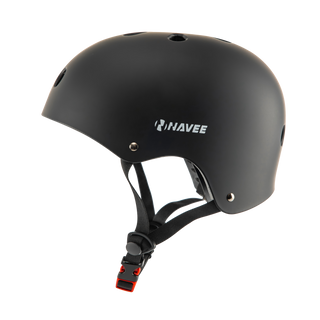
- Helmet with LED tail light
- Reflective jacket or cover
- Splash guards for shoes
- Handlebar wind deflector
FAQ: Frequently Asked Questions about E-Scooter Riding in Winter
1. Can I ride an e-scooter in snow?
Yes, but only in light snowfall. It is strongly advised against in icy conditions or on closed snow cover.
2. How much does the range decrease?
Depending on the battery and temperature, by 30–40%.
3. Is there a winter tire obligation?
No. But wide 10-inch tires significantly increase safety.
4. Do I have to drive slower in winter?
Recommended: 12–15 km/h in wet conditions, under 10 km/h in frost.
5. How do I protect the battery?
Store the scooter warm, only charge the battery when it has reached room temperature.
Conclusion
E-scooters remain a practical mode of transport even in winter – provided one understands and adapts to the risks. With good lighting, the right riding style, high-quality tires, and winter-suitable models, a large proportion of accident risks can be significantly reduced.


Leave a comment
All comments are moderated before being published.
This site is protected by hCaptcha and the hCaptcha Privacy Policy and Terms of Service apply.